
Last updated: 26 November 2026
Going solar in Nigeria takes five steps:
- Work out your daily power use and peak load.
- Choose a hybrid inverter: a 5kVA suits most family homes.
- Choose batteries. Lithium lasts about 8 to 10 years, and tubular about 3 to 5.
- Add enough panels to run your daytime loads and recharge the batteries.
- Use a qualified installer, with proper protection.
A typical 5kVA home system with a 5kWh lithium battery costs about ₦3 million to ₦4.5 million installed in late 2026. With petrol around ₦1,300 a litre, it often pays for itself in about 1 to 2 years compared with running a generator every day.
| Step | Detailed guide |
|---|---|
| Size your system | Calculate solar panel and battery size |
| Choose an inverter | Best inverter brands in Nigeria |
| Choose batteries | Lithium vs tubular, how long batteries last |
| Compare costs | Solar prices today, generator vs solar |
| For businesses | Solar for small shops |
1. Understand your power needs
List every appliance, with its wattage and hours of use, to get your daily watt-hours. Separate light loads, such as lights, fans, TV, laptop, fridge and phones, from heavy loads, such as pumping machines, irons, kettles and non-inverter ACs. Most homes put light loads on solar and keep heavy loads on the grid or a generator, unless they install a bigger system. Our sizing guide includes a worked example for a 2-bedroom flat.
2. Pick the right inverter
Choose a pure sine wave hybrid inverter with a built-in MPPT charge controller. Popular 5kVA options cost about:
- Felicity: ₦550,000 to ₦650,000
- Luminous: ₦700,000 to ₦800,000
- Growatt: ₦800,000 to ₦900,000
Premium Victron and Deye units cost more. See best inverter brands.
3. Choose your batteries
- Tubular (lead-acid): cheaper upfront (about ₦385,000 to ₦435,000 for a popular 220Ah), but only about 50% usable, and it lasts about 3 to 5 years.
- Lithium (LiFePO4): about ₦1.36 million to ₦1.9 million for 5kWh. It’s 80% to 90% usable, lasts about 8 to 10 years, and needs no maintenance.
Read lithium vs tubular and how long inverter batteries last.
Get solar equipment and installers
Browse generators and solar on NairaOutlet, or request a solar installer.
4. Add solar panels
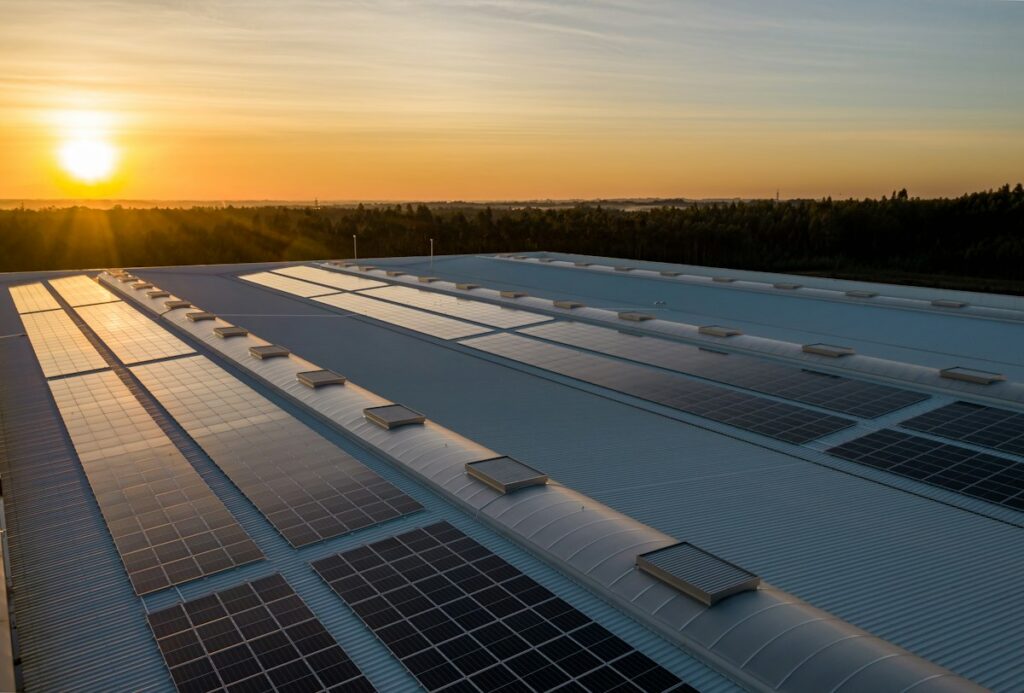
Nigeria gets roughly 4 to 6 peak sun hours a day. A 5kVA home system typically uses 6 to 10 panels of 450 to 550W, at about ₦115,000 to ₦165,000 each. Mount them facing the sun, away from shade, and secure them against theft and strong winds.
5. Installation and safety
- Use a qualified installer who sizes cables correctly and fits DC and AC breakers, surge protection and earthing.
- Keep batteries in a cool, ventilated, secure place.
- Get warranties in writing for the inverter, batteries and panels.
- Agree payment in stages, and check the installer’s previous jobs. Read our scam guide.
6. Solar vs generator
A small petrol generator running 6 to 8 hours a day can burn ₦230,000 to ₦320,000 or more a month in fuel at late-2026 prices. Solar’s running cost is close to zero. Many homes keep a small generator as backup for long cloudy spells. Read generator vs solar and check generator prices.
7. Maintenance
- Clean the panels every few weeks during the dry, dusty Harmattan season.
- Check battery water levels if you use tubular batteries.
- Watch the inverter’s display or app for errors and falling battery capacity.
- Have a technician inspect connections every year.
Other useful guides
- Solar, inverter and battery buying guide
- Starlink price in Nigeria and internet and MiFi plans
- Power bank buying guide
FAQ
How much does solar cost for a house in Nigeria?
About ₦3 million to ₦4.5 million for a typical 5kVA system with 5kWh lithium storage, installed, in late 2026. Smaller systems cost less.
Can solar power my whole house?
Yes, if it’s sized for all your loads. Most people power essentials on solar and keep heavy appliances on the grid or a generator.
How long does a solar system last?
Panels often last 20 years or more. Lithium batteries last about 8 to 10 years, and inverters many years with good care.
Sources: see each linked guide, including Finelib solar prices (October 2026), Kara.com.ng and Zit.ng listings, and NNPC pump prices via Legit.ng (November 2026). Estimates only. Get a professional load assessment.
Solar installer or dealer?
Post a free ad on NairaOutlet and reach homeowners across Nigeria.